
How Mississippi Mary is building a smarter cannabis facility with Grow Pods
For James Harper, founder of Mississippi Mary, becoming a licensed cannabis operator was years in the making. "Eighth grade, I got caught with a little pot down in Mississippi," he says with a laugh. "I never lived that down, so I just ran with it."
After nearly a decade working in cannabis cultivation, primarily outdoors, with about five years of indoor experience, James finally found himself building a commercial facility of his own. "For me, it was a big full circle: Finally getting my license."
Like many operators entering the industry, he initially explored a traditional indoor cultivation buildout. His choices were limited and the 5,000-square-foot building that he settled on came with a lot of restrictions that would have made a conventional grow more difficult and expensive to develop. After a friend suggested looking into Grow Pods, James quickly realized they offered advantages that went far beyond simplifying construction.
"The ability to call an 18 wheeler, pick up my grow and move it anywhere I want it to," he says. "It was a no-brainer."
What he didn't expect was how dramatically the ability to carefully manage what he now calls "perfectly-sized grow rooms" would impact the crop. "I'm growing beautiful clean flower and feel like the levers I'm pulling to deliver this are simple and easy to find. The environmentals are really easy to control with almost no variation." Indeed, one of the most impressive results came during microbial testing. In James's market, he says microbial counts between 12,000 and 15,000 are common, with everyone he knows missing Mississippi's magic number of 10,000.
Mississippi Mary's results came back at approximately 2,000.
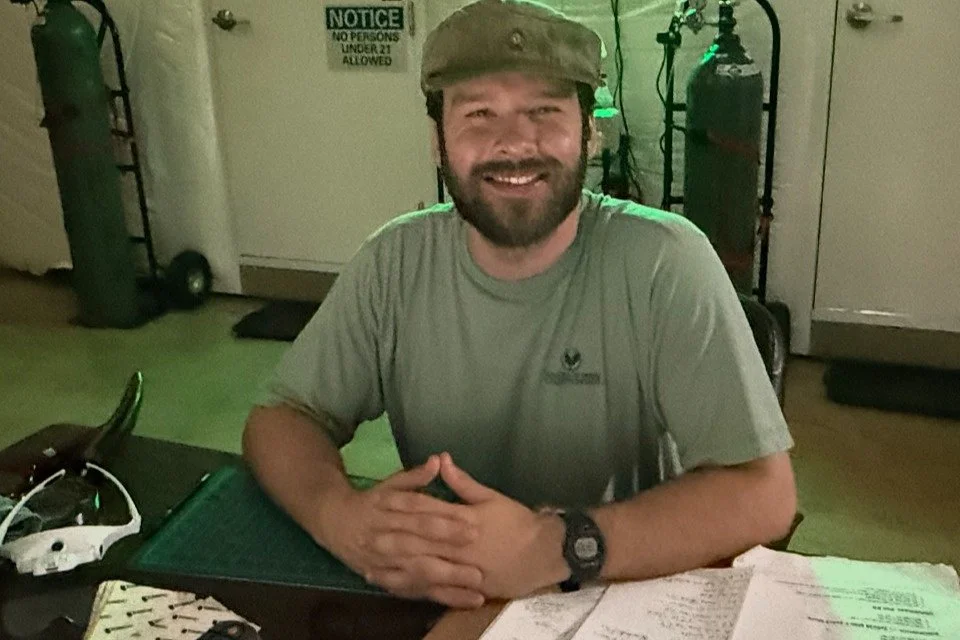
"I had vendors lined up for remediation. Everyone has to treat their product here. Not me!" James says. For him, the number validated the consistency of the environment inside the pods and created a substantial margin below the state's limit. "It gave me such, such a buffer that I didn't mess with." That consistency is what James believes separates the POD model from traditional cultivation spaces.
"The biggest and the best part about the whole experience as a grower has been the quality of the data we're getting and the ability to control literally every square inch."
"My experience in traditional rooms is that troubleshooting often means working through a long list of possible variables to target an issue and hoping for the best." Inside the pods, he found it much easier to isolate an opportunity, make a change, and measure the outcome. "If I had one problem and I change one setting and I see the advantage of it, and I go do that to the other pod, it's the exact same advantage."
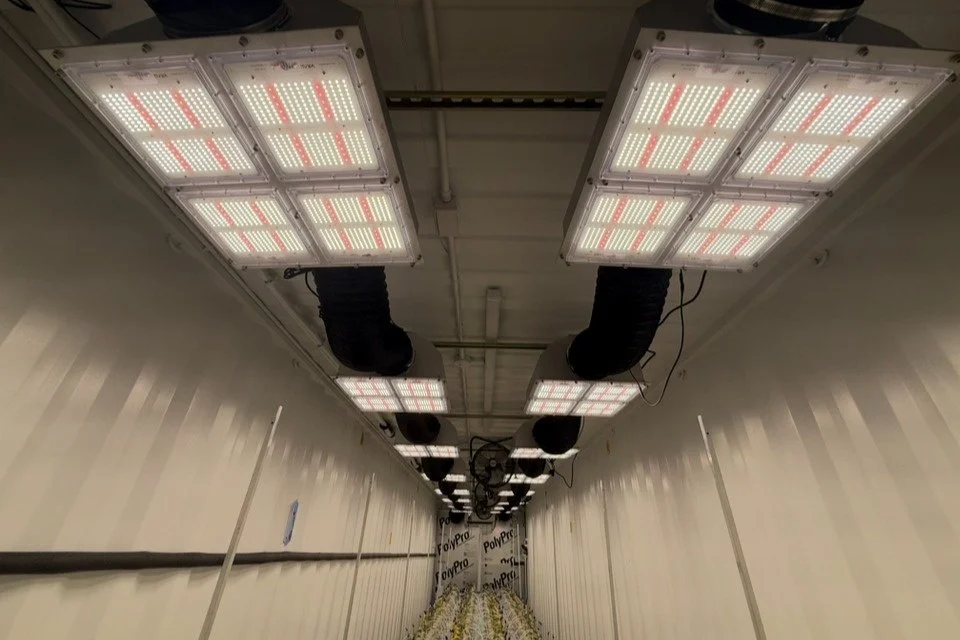
The operational results followed quickly. During the facility's first cultivation run, James says they immediately saw a yield advantage over traditional rooms. The pod structure has also given him the ability to isolate risk. Different cultivars can be grown in separate controlled environments, and if an issue arises, it remains contained to a single POD rather than affecting an entire facility.
James sees cultivation shifting toward multiple highly controlled environments, each designed to be optimized for a specific purpose. He's especially interested in where automation is headed, from smarter monitoring systems to AI tools that help growers respond faster and make better decisions.
For James, it all comes back to one simple idea. When your grow rooms are designed to perform the same way every time, you get better data. Better data leads to better decisions. "The results speak for themselves, with microbial counts consistently well below regulatory thresholds and more predictable cultivation outcomes. Mississippi Mary is proving that the future of cannabis isn't about building bigger facilities. It's about building smarter ones.”